Berlin's Top Documentary Film Festivals and Markets: A Filmmaker's Guide
Why Berlin Is a Strategic Hub for Documentary Filmmakers
Berlin sits at the center of European documentary film culture — not just because of the Berlinale's global prestige, but because the city sustains a year-round infrastructure that few other capitals can match. For documentary filmmakers at any career stage, understanding how Berlin's ecosystem works is as important as knowing which films screen there.
The city hosts two distinct major events: the Berlinale, one of the world's top-tier film festivals with dedicated documentary programming, and DOK.fest Berlin, a festival focused exclusively on non-fiction film. Alongside these public-facing events runs the European Film Market (EFM), an industry-facing market where distribution and co-production deals are negotiated. These three pillars overlap and reinforce each other in ways that create genuine leverage for documentary producers.
Berlin also benefits from proximity to major German public broadcasters — ZDF/ARTE, NDR, WDR — whose commissioning editors regularly attend Berlin events. Getting a project in front of the right decision-maker at the right moment is often what separates a documentary that gets made from one that stalls in development. That access is built into Berlin's festival calendar in a way that's hard to replicate elsewhere in Europe, with the possible exception of IDFA in Amsterdam.
The Berlinale — More Than a Showcase for Documentary Work
The Berlinale programs documentary films across several sections, each with different implications for a film's career trajectory. Understanding the distinction between these sections matters before you submit.
Forum and Forum Expanded are the sections most closely associated with documentary and experimental non-fiction work. Forum has historically championed politically engaged, formally adventurous documentaries from around the world. A Forum selection signals artistic credibility and opens doors to critics, curators, and international distributors who follow that section closely. Forum Expanded extends this into hybrid and installation-based work.
Panorama Dokument and the Generation sections offer alternative entry points. Panorama Dokument tends toward films with stronger audience accessibility and international sales potential. Generation — split into KPlus and 14Plus — is worth considering for documentaries aimed at younger audiences, a niche that's underserved in most markets.
A Berlinale selection carries weight beyond the festival itself. It functions as a quality signal that travels — affecting theatrical distribution negotiations, broadcaster interest, and subsequent festival programming. The trade-off is that Berlinale competition for documentary slots is intense, and the festival's scale (over 400 films across all sections) means individual films can get lost in the noise without a strong PR strategy.
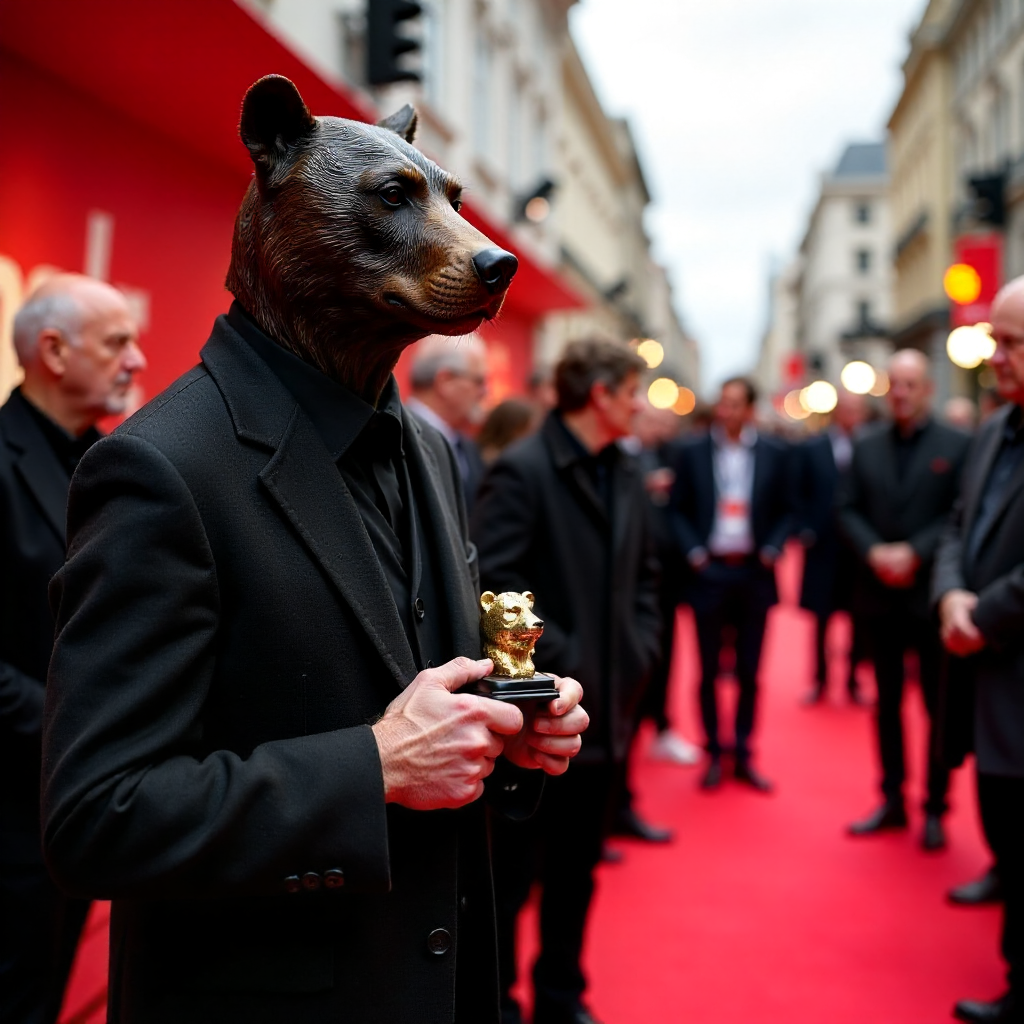
The European Film Market (EFM) — Where Deals Get Made
The EFM runs concurrently with the Berlinale and operates on entirely different logic: it's an industry market, not a public festival. For documentary producers, this distinction is critical.
At the EFM, the primary activity is meetings — with sales agents, distributors, co-production partners, and broadcasters. Documentary filmmakers who attend without a clear agenda often find it overwhelming and expensive. Those who arrive with a completed film seeking distribution, or a project in development seeking co-production partners, can use the EFM to compress months of outreach into a few days of face-to-face conversations.
Accreditation for the EFM is separate from Berlinale press or guest accreditation. Industry badges give access to the market screenings, the project database, and the meeting spaces. The cost is significant — factor this into your festival budget realistically. For emerging documentary producers, the EFM is most valuable when you have something concrete to pitch or sell; attending purely to observe is rarely worth the investment at this stage.
The market's co-production meetings are particularly relevant for documentary projects with international scope. European co-production frameworks — especially those involving MEDIA Programme funding — often require partners from multiple countries, and the EFM is one of the most efficient places to initiate those conversations.
DOK.fest Berlin — The Dedicated Documentary Festival
DOK.fest Berlin is Berlin's festival built exclusively around documentary film, and that focus changes everything about how it functions compared to the Berlinale.
Where the Berlinale treats documentary as one strand among many, DOK.fest Berlin puts non-fiction filmmaking at the center of every conversation. The programming spans competitive sections for feature-length and short documentaries, alongside thematic programs and retrospectives. The festival's industry component — the DOK.network platform and its associated industry days — creates structured space for filmmakers to connect with commissioning editors, co-production partners, and distributors in a context where documentary is the shared language.
For emerging documentary filmmakers, DOK.fest Berlin often offers more accessible entry points than the Berlinale. The festival actively programs first and second films, and its scale allows individual works to receive more sustained attention from press and industry attendees. A DOK.fest Berlin selection won't carry the same global brand recognition as a Berlinale Forum slot, but within the documentary community specifically, it carries genuine weight.
The festival typically takes place in spring, which means it occupies a distinct position in the calendar from the February Berlinale. This matters for premiere strategy: a film that premieres at DOK.fest Berlin can still be submitted to international autumn festivals without the premiere status complications that arise from Berlinale selection.
Pitching Forums and Co-Production Markets in Berlin
Berlin's pitching forums give documentary projects in development a structured path toward financing and partnership — before a film is complete, sometimes before it's even shot.
The DOK.network industry platform runs pitching events that connect documentary filmmakers with European broadcasters and co-production partners. These aren't open submissions; projects typically go through a selection process, and accepted filmmakers receive coaching before presenting to a room of decision-makers. The preparation process alone — forcing you to articulate your film's core argument, audience, and budget logic in a few minutes — is often as valuable as the meetings that follow.
The EFM's co-production market component also includes documentary-relevant pitching opportunities, particularly for projects with international financing ambitions. Projects that have already secured partial funding or a development attachment from a broadcaster tend to perform better in these environments than those at the earliest stages.
One practical reality: pitching forums in Berlin are competitive to enter. Having a strong visual treatment, a clear sense of your target audience, and at least one confirmed partner or letter of interest significantly improves your chances of selection. Arriving with only an idea, however compelling, is rarely enough.
Networking, Residencies, and Year-Round Opportunities
Berlin's documentary ecosystem doesn't shut down between festival dates. The city sustains a range of ongoing resources that matter for documentary filmmakers building long-term careers.
DOK.network functions as a year-round platform connecting documentary professionals across Europe, not just during festival season. Membership gives access to project databases, co-production partner searches, and industry contacts that would otherwise require years of festival attendance to accumulate.
Berlin-based documentary organisations and filmmaker labs run residency programs, editing workshops, and development labs throughout the year. These are particularly valuable for filmmakers at the transition point between first and second films — a career stage where institutional support can make the difference between continuing and stopping. The Berlin documentary scene also benefits from the city's relatively affordable infrastructure compared to London or Paris, which allows independent producers to maintain offices and edit suites without the overhead that would make the same work financially impossible elsewhere.
German public broadcasters with commissioning offices in or near Berlin — including ARTE and ZDF — are accessible year-round, not only during festival periods. Building relationships with commissioning editors outside the festival rush, when they have more time and attention, is a strategy that experienced documentary producers use deliberately.
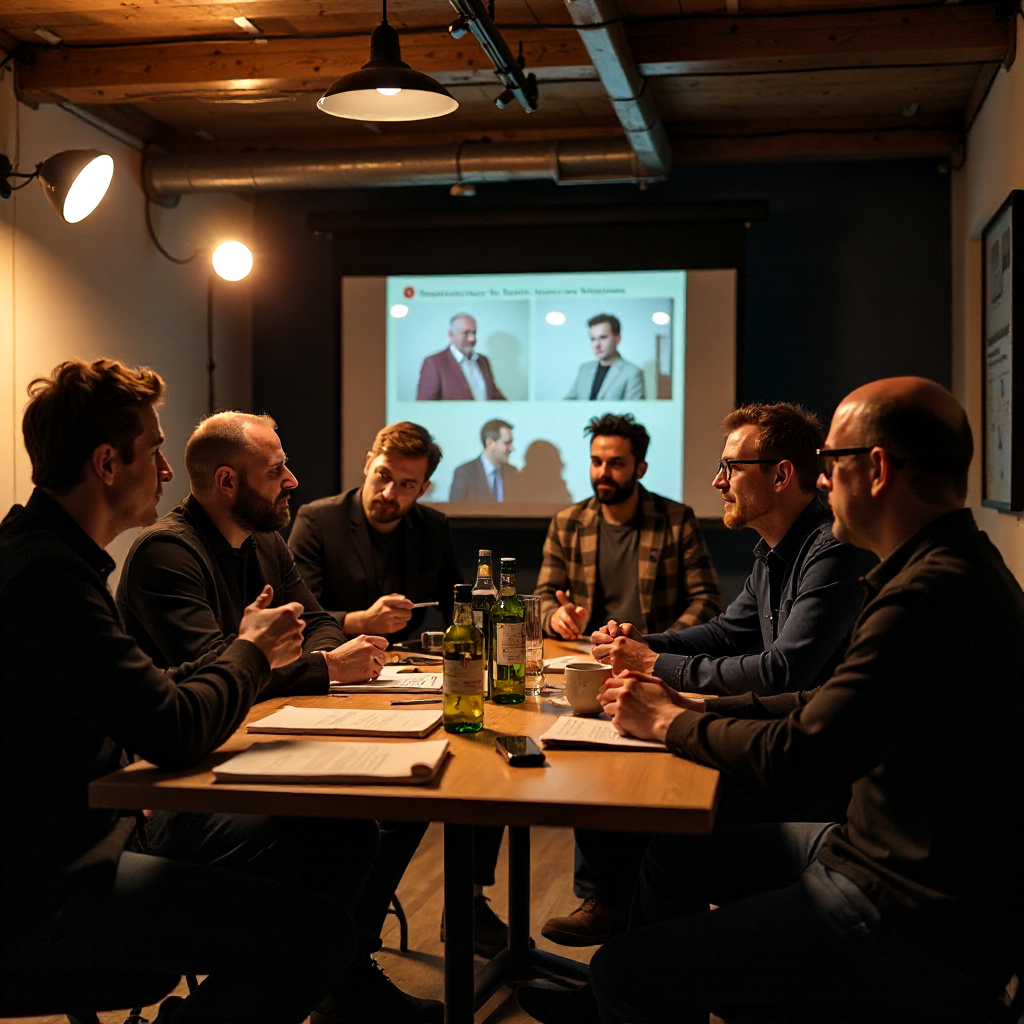
How to Build Your Berlin Festival Strategy as a Documentary Filmmaker
The most effective Berlin strategy matches the right event to your project's current stage — and that stage determines almost everything else about how you should prepare and what success looks like.
For a project in development, the priority is pitching forums and co-production markets. Register for DOK.network, prepare a strong treatment, and target the EFM's co-production meetings or DOK.fest Berlin's industry days. Don't submit an unfinished film to either festival — premiere slots are too valuable to use before a film is genuinely ready.
For a completed film, the submission strategy depends on the film's ambition and audience. A formally adventurous, politically engaged documentary with international scope should target Berlinale Forum first. A more accessible documentary with clear audience appeal might find a better fit in Berlinale Panorama or DOK.fest Berlin's main competition. Submitting to both simultaneously isn't always possible — check each festival's premiere requirements carefully.
Practical submission timing: the Berlinale typically opens submissions in October for a February festival, with deadlines in November. DOK.fest Berlin's submission windows run roughly December through February for the spring festival. Mark these dates at the start of each year and build your post-production timeline backward from them.
Finally, don't underestimate the value of attending Berlin events before your own film is ready. Watching how pitching forums work, meeting commissioning editors without an agenda, and understanding the rhythm of the EFM as an observer will make you significantly more effective when you arrive with a project to sell.
Frequently Asked Questions
What is the difference between submitting to the Berlinale versus DOK.fest Berlin for a documentary?
The Berlinale is a general film festival with documentary-specific sections (Forum, Panorama Dokument, Generation), while DOK.fest Berlin programs exclusively non-fiction work. A Berlinale selection carries broader international brand recognition; a DOK.fest Berlin selection offers deeper engagement within the documentary community specifically. The right choice depends on your film's ambition, target audience, and premiere strategy.
Do I need to be based in Berlin to participate in Berlin's documentary markets?
No. The EFM, DOK.network, and DOK.fest Berlin's industry days are open to international participants. Being Berlin-based can help with year-round networking and broadcaster access, but the major events are designed for international attendance. Accreditation and registration are available remotely.
What types of documentary projects are best suited for Berlin's pitching forums?
Projects with international scope, clear co-production potential, and some development traction — a broadcaster attachment, partial funding, or a confirmed director with a track record — tend to perform best. Pure passion projects at the earliest ideation stage are harder to place in competitive pitching forums, though some labs specifically target emerging filmmakers without these prerequisites.
How far in advance should I plan my submissions for Berlin's major documentary events?
Plan at least six months ahead. The Berlinale opens submissions in October for February; DOK.fest Berlin's deadlines typically fall in January or February for the spring festival. Post-production schedules, subtitling, and DCP preparation all take longer than expected — build buffer time into your timeline from the start.
Can short documentaries be submitted to Berlin's festivals and markets?
Yes. Both the Berlinale and DOK.fest Berlin program short documentaries, and DOK.fest Berlin has dedicated competition categories for short non-fiction work. Short documentaries are generally not the primary focus of co-production markets like the EFM, but they can be strong calling cards for emerging filmmakers seeking to establish relationships with commissioning editors and programmers.