The Rise of Documentary Filmmaking in Berlin: A Cultural Perspective
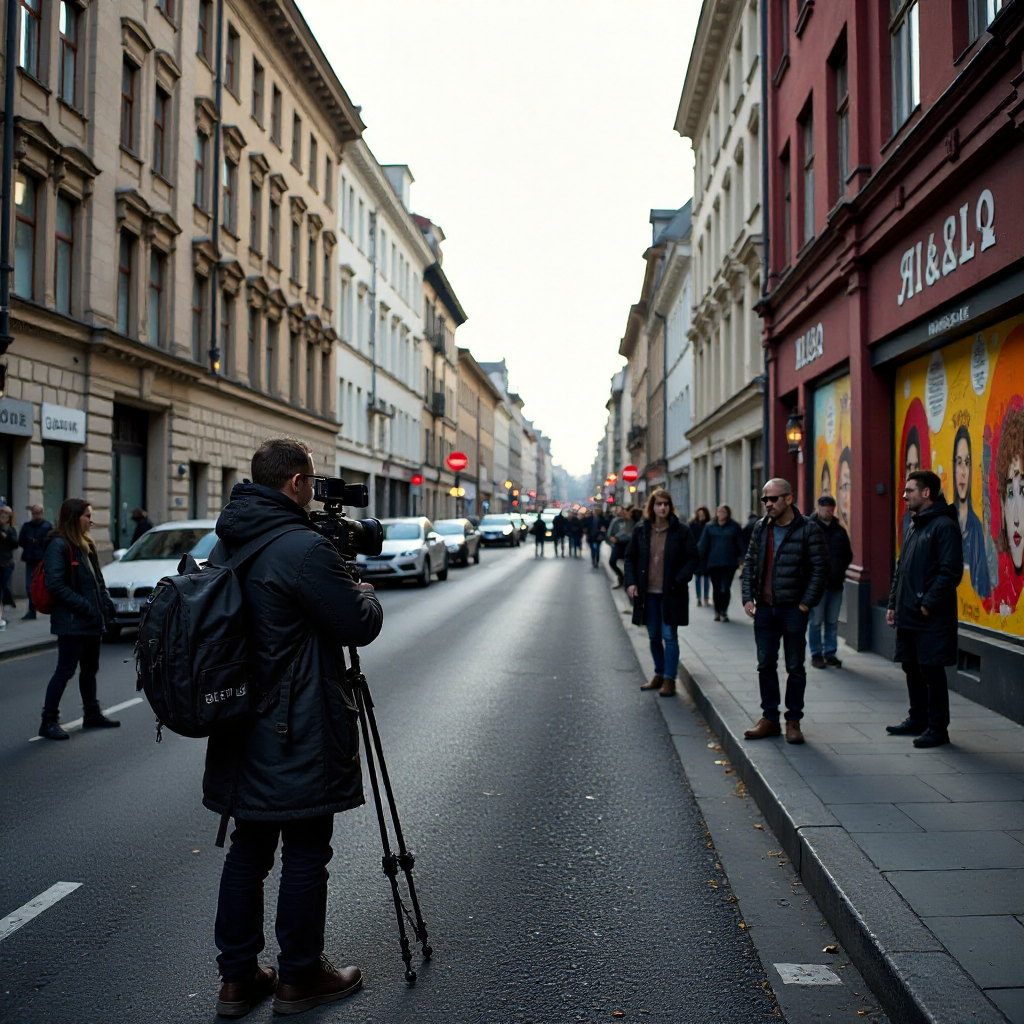
Berlin has emerged as a dynamic center for documentary filmmaking, fueled by its rich cultural fabric and complex history. This thriving scene offers filmmakers a unique environment where urban culture, independent creativity, and social discourse converge. The rise of documentary filmmaking in Berlin is not just a coincidence but the outcome of deep-rooted historical influences and an evolving cultural ecosystem that supports authentic storytelling.
Introduction: Berlin’s Emergence as a Hub for Documentary Filmmaking
Berlin’s status as a hub for documentary filmmaking stems from its vibrant cultural scene and openness to experimental narrative forms. The city offers fertile ground for independent filmmakers to explore diverse social and political themes through documentaries, supported by well-established institutions and festivals.
Since reunification, Berlin’s documentary production has grown exponentially, thanks to the city’s blend of historical complexity and thriving contemporary art movements. Independent filmmaking communities flourish here, drawing on Berlin’s urban culture and political activism to craft stories that resonate locally and globally.
Historical and Cultural Roots of Berlin’s Documentary Scene
Berlin’s documentary filmmaking is deeply intertwined with its post-reunification cultural evolution and complex urban history. The fall of the Berlin Wall in 1989 marked not only political but artistic liberation, inspiring filmmakers to capture the city’s transformation and the broader social shifts it represented.
The city’s legacy of division, reunification, and continuous reinvention has created a compelling backdrop for documentaries focused on identity, memory, and social justice. Berlin’s cultural movements—ranging from the avant-garde art scene to grassroots political activism—have fueled documentary narratives that critically engage with the city’s past and present.
Urban culture in Berlin, especially its street art and music scenes, often feature prominently in documentary subjects, illustrating the city’s openness to diverse voices and subcultures. This historical context provides filmmakers a rich tapestry of stories grounded in authentic experience.
Key Filmmakers and Influential Works from Berlin
Several notable documentary filmmakers and productions have put Berlin’s scene on the international map. Directors like Maren Ade, known for combining narrative and documentary techniques, and Hubertus Siegert, whose political documentaries dissect German society, exemplify Berlin’s diverse authorial voices.
Berlin-based independent filmmakers often collaborate across disciplines, integrating experimental visuals with strong socio-political commentary. Landmark documentaries such as "The Berlin Wall – Tales from the Cold War" and "Berliner Stadtmusikanten" highlight local stories with universal appeal.
The city also supports a growing cohort of emerging documentarians who explore themes of migration, gentrification, and cultural memory—reflecting Berlin’s ongoing social evolution.
Berlin’s Film Festivals and Platforms Supporting Documentary Film
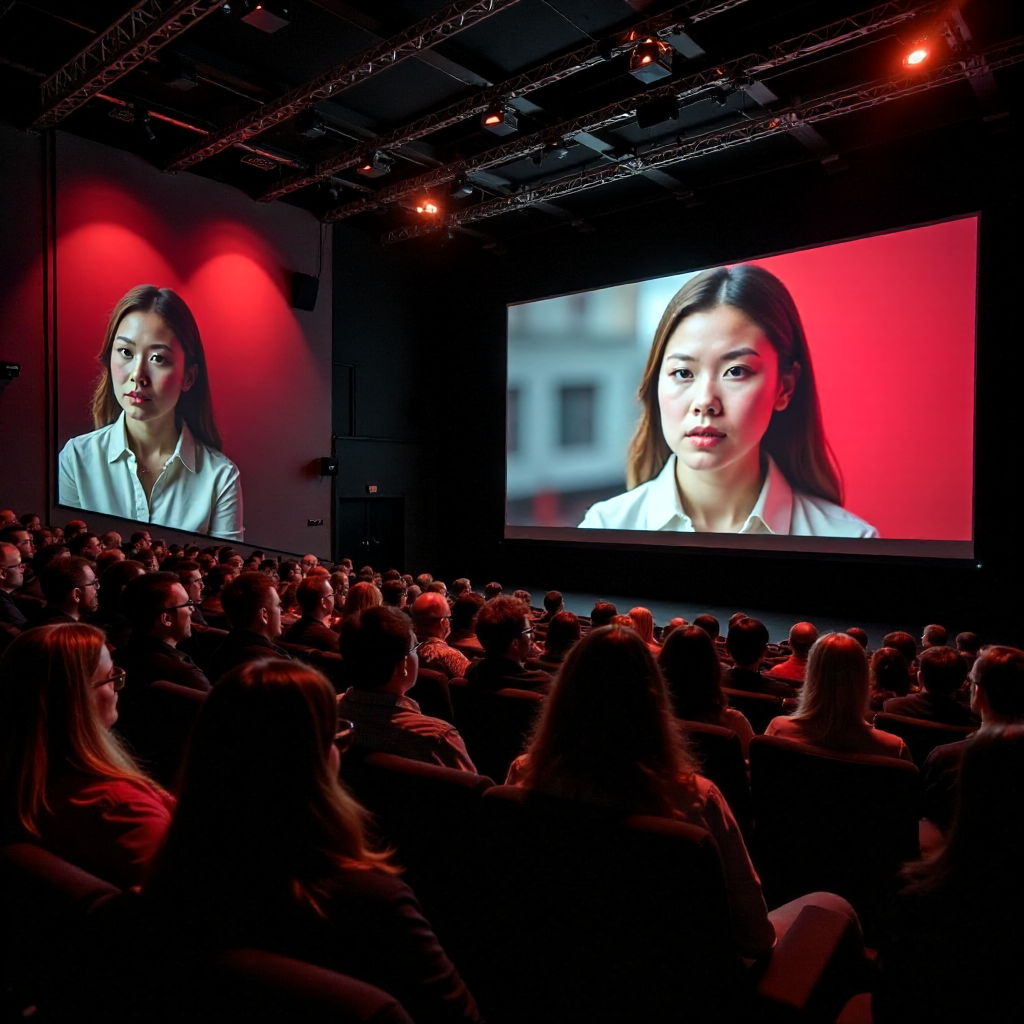
Film festivals in Berlin, especially the internationally renowned Berlinale, play a pivotal role in promoting documentary filmmaking. Berlinale’s dedicated documentary sections showcase innovation and encourage dialogue between filmmakers and audiences.
Beyond Berlinale, smaller festivals and platforms such as the Doc Leipzig satellite events and Dokumentarfilmfestival Berlin support niche voices and experimental approaches. These events provide vital exposure for documentaries tackling Berlin-relevant socio-political issues and foster community among filmmakers, critics, and viewers.
Screenings at these festivals often lead to increased funding opportunities and international distribution, helping local documentary producers gain traction in the global market.
Socio-political Narratives in Berlin Documentaries
Berlin documentaries frequently center on socio-political movements and narratives, reflecting the city’s activist spirit. Common themes include post-reunification identity struggles, immigration and multiculturalism, housing crises, and historical memory.
The city’s political diversity often influences filmmakers to challenge conventional narratives, presenting pluralistic and sometimes controversial perspectives. Documentaries investigating gentrification reveal the clash between preserving cultural heritage and urban development, while works focused on refugee experiences highlight Berlin’s role as a sanctuary and a contested space.
Local audiences engage deeply with these documentaries as they mirror ongoing societal debates, making Berlin’s documentary scene a critical space for civic discourse and cultural reflection.
Infrastructure and Institutions Fueling Documentary Growth
Berlin’s documentary filmmaking boom is supported by a strong infrastructure of film schools, production companies, and funding bodies dedicated to non-fiction cinema. Institutions like the Deutsche Film- und Fernsehakademie Berlin (DFFB) and HFF Konrad Wolf offer specialized documentary programs that train emerging talents in both technical skills and cultural context awareness.
Independent documentary production companies such as Zero One Film and Doc Plan provide crucial resources and mentoring, encouraging innovative storytelling and sustainable production models. Funding initiatives by organizations like the BKM (Federal Government Commissioner for Culture) and Berliner Senat also facilitate the creation and distribution of documentaries with cultural or political relevance.
This institutional ecosystem ensures that Berlin remains attractive for filmmakers seeking to develop projects with strong cultural resonance and international reach.
Future Trends: What’s Next for Berlin’s Documentary Filmmaking?
The future of documentary filmmaking in Berlin looks promising, with trends pointing toward increased hybridity, technological experimentation, and global connectivity. Emerging filmmakers are blending narrative techniques with traditional documentary approaches to push storytelling boundaries.
Digital platforms and virtual reality are becoming popular for immersive documentaries that engage with Berlin’s urban culture in new ways. Additionally, the expanding social movements within the city continue to inspire documentaries that address urgent issues like climate change, social inequality, and digital surveillance.
Berlin’s strong network of creative collaborators and institutions creates fertile ground for cross-disciplinary innovation, positioning the city as a continuing leader in documentary film production.
Frequently Asked Questions
What makes Berlin unique for documentary filmmakers?
Berlin’s unique combination of a rich political history, diverse urban culture, and strong institutional support makes it an ideal environment for documentary filmmaking. Its openness to experimentation and socially engaged storytelling attracts independent filmmakers worldwide.
How does Berlin’s history shape its documentaries?
The city’s post-reunification experience, legacy of division, and ongoing social transformation provide a powerful historical context that informs documentary themes about identity, memory, and political discourse.
Which festivals focus on documentaries in Berlin?
The Berlinale prominently features documentary films, alongside specialized events like the Dokumentarfilmfestival Berlin and satellite screenings related to Doc Leipzig, all fostering documentary visibility and community.
How can new filmmakers get involved in Berlin’s documentary scene?
New filmmakers can engage through Berlin’s film schools, join independent production companies, participate in workshop programs, and submit their work to local festivals. Networking within Berlin’s active documentary community is essential.
What themes dominate Berlin’s documentary films?
Dominant themes include social justice, migration, urban change, historical memory, and political activism. These reflect Berlin’s dynamic cultural and socio-political landscape.