How to Secure Funding for Documentary Projects in Germany
Overview of Documentary Funding Landscape in Germany
The funding landscape for documentary filmmaking in Germany is diverse, supported by multiple public and private organizations dedicated to nurturing non-fiction storytelling. Understanding this environment helps filmmakers identify the right funding sources and navigate their requirements with confidence.
Germany has a strong cultural commitment to film, with specialized film funding agencies like the Medienboard Berlin-Brandenburg and the Filmförderungsanstalt (FFA) playing central roles. These agencies allocate grants, loans, and subsidies specifically for documentary production, focusing on projects with cultural, social, or artistic significance.
Besides government funding, alternative avenues such as European funding schemes, tax incentives, and industry networking events are integral to successfully financing documentaries. Berlin, as a creative hub, is particularly rich with initiatives, festivals, and pitch forums that encourage project financing and collaboration.
Major German Film Funds and Grants for Documentaries
Germany offers multiple dedicated documentary production grants through well-established film funding bodies. These organizations provide crucial financial support tailored to different stages of documentary filmmaking.
- Medienboard Berlin-Brandenburg: This is one of Germany’s largest regional film funds, supporting documentary projects with development and production grants if the project has a strong connection to Berlin or Brandenburg. Eligibility often requires partial production within the region.
- Filmförderungsanstalt (FFA): As the federal film fund, the FFA offers funding for documentaries through various programs. It typically supports development, production, and promotional activities, emphasizing projects with clear cultural or innovative value.
- Other Regional Funds: Besides Berlin-Brandenburg, regions like Bavaria (Bayerische Filmförderung) and North Rhine-Westphalia have their own documentary grants aimed at strengthening regional film culture.
Additionally, German documentary filmmakers can tap into European funding schemes, such as Creative Europe MEDIA, which co-finance projects crossing borders and catering to European audiences. Tax incentives available in Germany can also reduce production costs; filmmakers benefit from local deductions, but these require precise budgeting and adherence to German film laws.
Alternative Funding Methods: Crowdfunding and Co-Productions
Beyond traditional grants, crowdfunding and co-production agreements have become essential tools for documentary financing in Germany.
Crowdfunding offers filmmakers direct access to their audience for financial support. German platforms like Startnext specialize in creative projects, allowing documentary filmmakers to raise funds while building a community around their project. Successful crowdfunding requires clear storytelling, compelling rewards, and consistent engagement.
Co-productions enable shared financing and resources among German and international producers. Germany’s film industry encourages co-production agreements through treaties that facilitate access to both national funds and foreign subsidies. Co-productions are particularly valuable for documentaries requiring cross-border research or extensive travel, but they demand careful legal negotiation and shared creative control.
These alternative methods often supplement traditional funding, allowing filmmakers to cover gaps in their budgets and increase project visibility.
Writing Winning Funding Applications and Proposals
Creating a successful funding application is critical and requires a clear, professional presentation of your documentary project.
Start your proposal with a concise, engaging synopsis that highlights the project’s relevance and unique angle. German film funding agencies and European bodies prioritize projects that demonstrate cultural significance, innovation, and social impact. Detailed budget plans showing realistic costs and funding gaps strengthen your case.
Include information about your team’s experience, production timeline, and distribution strategy, giving funders confidence in your ability to deliver. Be sure to follow each agency’s specific guidelines meticulously—missing documentation or unclear answers often lead to rejection.
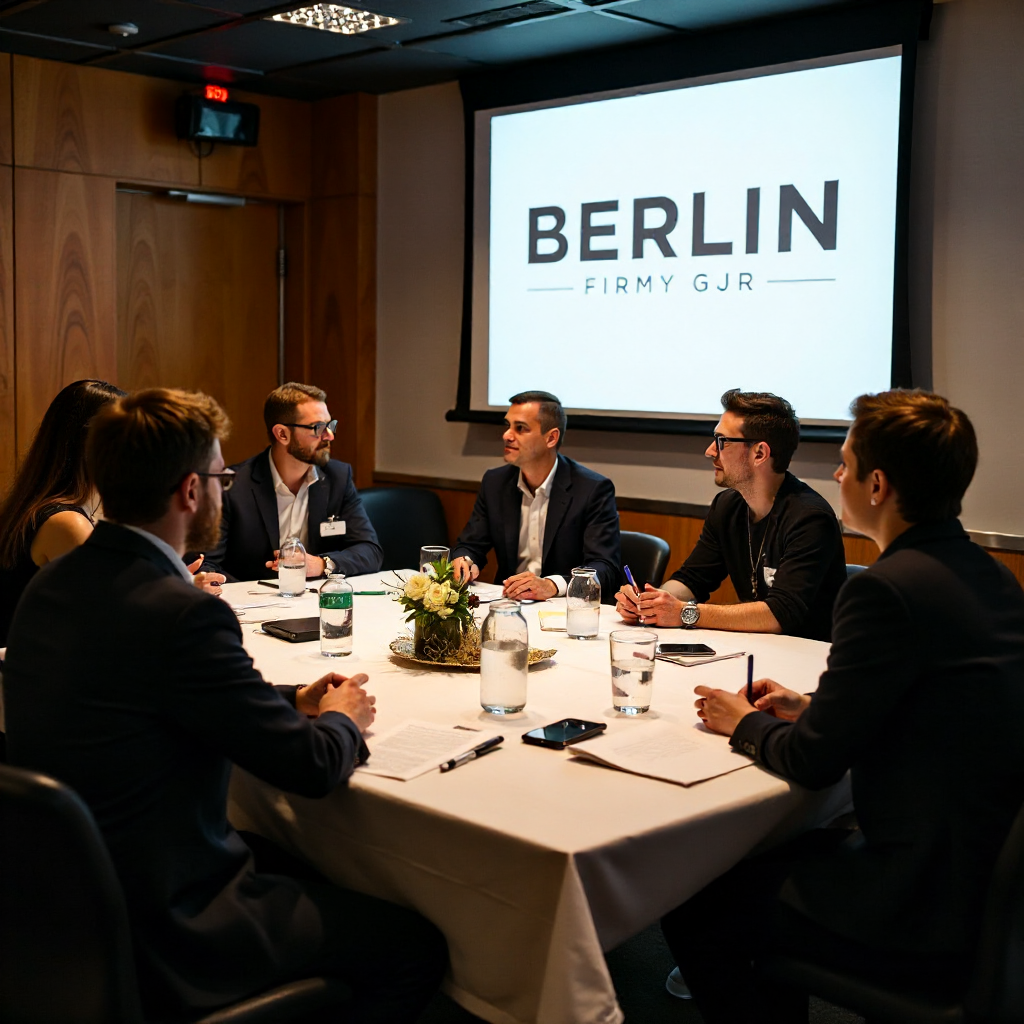
Engage in local pitch forums and workshops in Berlin to refine your proposal and gain feedback from industry experts. Clarity, precision, and professional presentation are key traits that distinguish winning proposals in Germany’s competitive funding environment.
Leveraging Berlin’s Documentary Film Scene and Networks
Berlin’s documentary film ecosystem offers unmatched networking, collaboration, and funding opportunities benefiting both emerging and established filmmakers.
The city hosts major film festivals and pitch forums, such as the Dok Leipzig and the Berlinale’s Berlinale Forum, which act as vibrant platforms to showcase projects and attract financiers. Participating in these events can open doors to co-production partners, international distributors, and funding bodies.
Numerous local initiatives foster documentary filmmaking, including networking groups and professional guilds. Engaging with communities like the Berlin Documentary Forum helps connect filmmakers with mentors, funders, and service providers who understand the specific challenges of documentary production in Germany.
Leveraging these networks not only increases funding chances but also provides vital peer support and technical resources.
Managing Budget and Legal Considerations for Funded Projects
Sound budget planning and legal compliance are essential for managing a funded documentary project in Germany.
Develop a detailed budget that accounts for pre-production, shooting, post-production, and distribution, including contingencies for unexpected expenses. German funding bodies require transparent cost reporting, so accurate bookkeeping throughout the project lifecycle is crucial.
Understanding German tax incentives can further maximize your budget, but this requires working closely with tax advisors familiar with film production to ensure eligibility and proper documentation.
Legal considerations include obtaining necessary permits, clearances for archival or personal footage, and setting up co-production contracts if applicable. Compliance with intellectual property and privacy laws in Germany is mandatory to avoid complications that could jeopardize funding or distribution.
Frequently Asked Questions
What are the top German grants for documentary filmmakers?
The most prominent grants include those from the Medienboard Berlin-Brandenburg, the Filmförderungsanstalt (FFA), and regional funds like Bayerische Filmförderung. European programs like Creative Europe MEDIA also offer vital support for cross-border projects.
How does co-production funding work in Germany?
Co-productions involve multiple producers sharing production responsibilities and funding. Germany has treaties enabling co-productions to access national funds plus international subsidies, but filmmakers must negotiate terms clearly and meet legal requirements.
Can international filmmakers access German funding?
Yes, provided they partner with German production entities or ensure some production activity in Germany. Eligibility criteria vary by fund but usually require demonstrable ties to the German film sector.
What are common mistakes in documentary funding applications?
- Lack of clear project focus or social relevance
- Insufficient budgeting or unclear cost breakdowns
- Missing mandatory documents or ignoring funder guidelines
- Underestimating the need for distribution plans or audience engagement strategies
How important are film festivals in securing funding?
Film festivals and pitch forums in Berlin are critical. They provide visibility, opportunities to connect with financiers, and feedback that can improve applications, making them invaluable for funding success.