Filming Permits and Regulations in Berlin: A Practical Guide for Documentary Filmmakers
Why Permits Matter for Documentary Productions in Berlin
Even a two-person documentary crew can run into serious legal trouble filming in Berlin without the right paperwork. The city enforces its filming regulations consistently — and "we didn't know" is rarely accepted as a defence by district officials or police on location.
The consequences range from a polite request to stop filming all the way to equipment confiscation, fines, and in some cases, legal liability if your footage captures individuals without proper consent. For a documentary production operating on a lean budget, a single shutdown can derail an entire shoot day and cost far more than the permit would have.
Berlin is an exceptionally film-friendly city, but that friendliness operates within a clear regulatory framework. Understanding that framework before you arrive on location — not the morning of — is what separates productions that run smoothly from those that don't.
Who Issues Filming Permits in Berlin?
There is no single authority that handles all filming permits in Berlin. The system is distributed across several bodies, and which one you contact depends entirely on where and what you plan to film.
The Berlin Film Commission (part of Medienboard Berlin-Brandenburg) is the best first point of contact for any production. It functions as a central coordination hub, helping filmmakers navigate the broader permit landscape and connecting them with the right offices. For documentary crews unfamiliar with German bureaucracy, reaching out here early saves significant time.
For filming on public streets, squares, and green spaces, the relevant authority is the Bezirksamt — the district office for whichever Berlin borough (Bezirk) you're shooting in. Berlin has twelve districts, each with its own Bezirksamt, and permits are issued at the district level. If your documentary takes you across multiple districts in a single day, you may need separate approvals from each.
Federal properties — the Bundestag area, certain monuments, and government buildings — fall under federal jurisdiction and require coordination with separate authorities, often the Bundesanstalt für Immobilienaufgaben or the specific ministry responsible for the site. The Berlin Film Commission can help identify the right contact for these locations.
Public Spaces, Parks, and Streets — What Requires a Drehgenehmigung?
A Drehgenehmigung (filming permit) is required for most organised filming activity in Berlin's public spaces, but the threshold that triggers the requirement depends on a few practical factors.
Generally speaking, a single person filming handheld with no additional equipment — no tripod, no lighting, no sound equipment — sits in a grey zone that is rarely enforced. The moment you add a tripod, a directional microphone, a second crew member with a specific role, or any form of artificial lighting, you have crossed into territory where a formal permit is expected.
Crew size and equipment are the two primary triggers. A crew of three or more is almost always considered a production requiring a Drehgenehmigung. Similarly, occupying any portion of a public footpath, road, or park with equipment — even temporarily — requires prior approval from the relevant Bezirksamt.
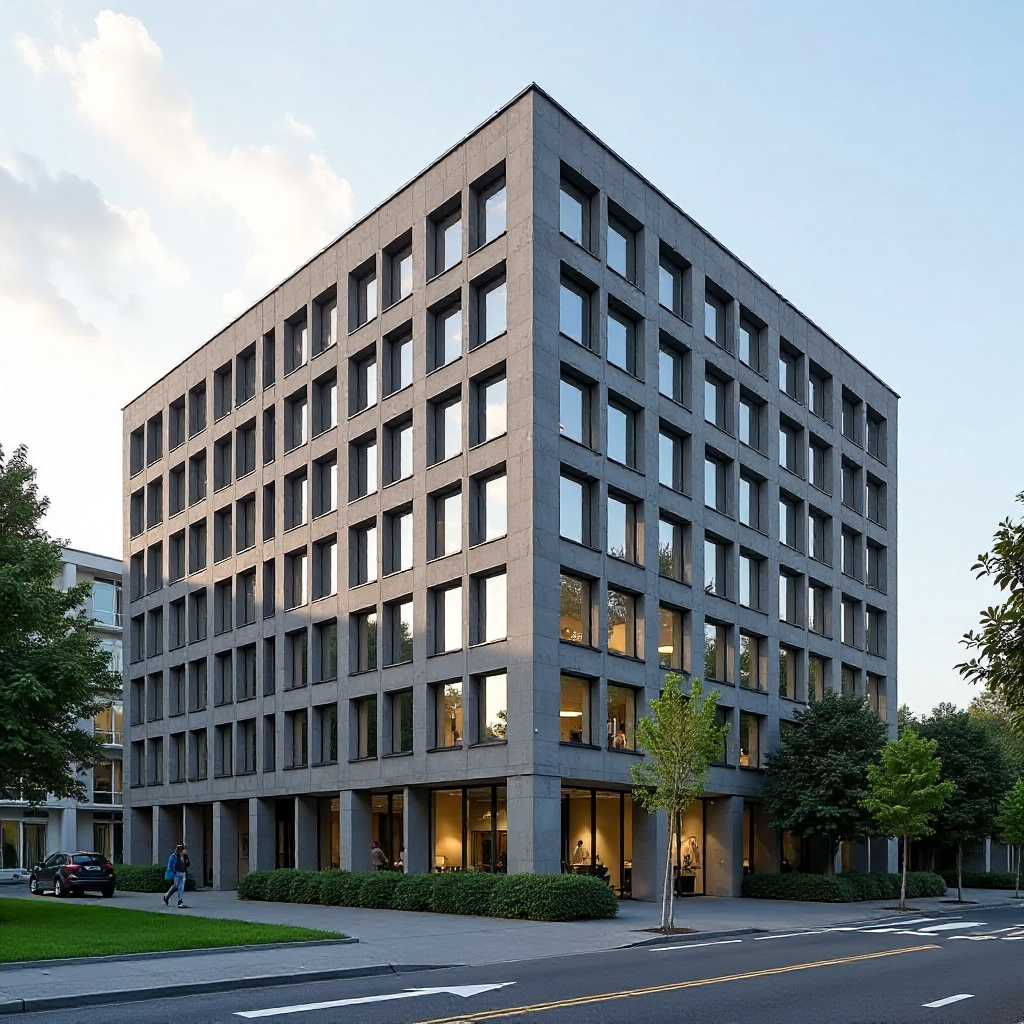
Filming in Berlin's parks and green spaces (Grünanlagen) adds another layer. The Grünflächenamt (parks department) within each district manages these areas, and access for filming — especially with vehicles or larger equipment — often requires a separate application alongside the standard street permit. Lead times here can be longer than for street locations, particularly during summer when parks are heavily used.
If your shoot involves blocking pedestrian access, managing a crowd, or using a generator, you'll also need to coordinate with the Ordnungsamt (public order office) and potentially the police (Polizei Berlin), depending on the scale.
Filming on Private Property and in Sensitive Locations
Private property requires a location release (also called a property release) signed by the legal owner or authorised property manager — not just whoever happens to be on site. This applies to building interiors, courtyards, privately managed commercial spaces, and any exterior that isn't publicly accessible.
For documentary work, this distinction matters more than it might seem. A café owner can give you verbal permission, but without a signed release, you have no legal protection if they later object to how the footage is used. Always get it in writing, and make sure the signatory actually has the authority to grant filming rights for that property.
Historically significant sites — including Berlin's many listed monuments (Denkmäler) and UNESCO-relevant structures — require coordination with the Landesdenkmalamt Berlin (State Monument Authority). Filming at or inside these locations often involves additional conditions: restrictions on equipment, lighting, and crew positioning to protect the site.
Berlin's transit infrastructure (U-Bahn, S-Bahn, trams) is managed by the BVG and S-Bahn Berlin GmbH respectively. Both have dedicated press and production departments that handle filming requests. Access is not automatic, fees apply, and scheduling is constrained by operational requirements — so plan well in advance if transit environments are central to your documentary.
GDPR and Filming People in Public
Germany's implementation of GDPR, combined with the existing Kunsturhebergesetz (KUG — the Art Copyright Act), creates specific obligations for documentary filmmakers capturing identifiable individuals on camera. This is one of the most frequently misunderstood areas of compliance.
The core principle is that filming a recognisable person without their consent is generally not permitted, even in a public space. There are exceptions — coverage of public events, journalism of significant public interest, crowd shots where no individual is singled out — but these exceptions are narrower than most filmmakers assume.
For documentary productions, the practical approach is to use consent forms (Einverständniserklärungen) for any subject who appears on camera with a speaking role or in a way that makes them clearly identifiable. For incidental bystanders caught in background footage, the KUG exceptions may apply, but this should be assessed on a case-by-case basis, ideally with legal advice.
Filming children requires explicit parental or guardian consent in all circumstances. There are no grey areas here.
Data protection obligations also extend to how footage is stored and transferred — particularly relevant for international productions sending rushes out of the EU. Germany's data protection authority (the Berliner Beauftragte für Datenschutz und Informationsfreiheit) has published guidance on this, and it's worth reviewing before your shoot.
How to Apply — Timeline, Costs, and What to Prepare
The application process for a Drehgenehmigung in Berlin is manageable, but it requires lead time that many documentary crews underestimate. For a standard public space permit through a Bezirksamt, allow a minimum of two to three weeks. For complex locations, federal sites, or shoots requiring police coordination, four to six weeks is more realistic.
Start by contacting the Berlin Film Commission to confirm which authorities you need to approach. Then prepare the following documentation before submitting to any Bezirksamt:
- A detailed shoot plan: exact locations, dates, times, and duration
- A crew list with roles and contact details
- Equipment list (cameras, vehicles, lighting, generators)
- Proof of liability insurance — this is non-negotiable and must cover the full shoot period
- A site sketch or map showing where equipment will be positioned
- A brief description of the documentary project and its intended use
Permit fees vary by district and location type. Public street permits are generally modest for small documentary productions, but fees for parks, landmark-adjacent locations, or shoots requiring road closures can be substantially higher. The Berlin Film Commission can give you a realistic cost estimate for your specific locations before you commit.
Submit applications in German where possible — it speeds up processing and reduces the chance of requests for clarification that add days to your timeline.
Common Pitfalls and How to Avoid Them
Most compliance problems on Berlin documentary shoots come down to the same handful of mistakes. Knowing them in advance is the simplest way to avoid them.
Applying to the wrong district office. Berlin's twelve districts each handle their own permits. If your location is in Mitte but you apply to Prenzlauer Berg's Bezirksamt, your application will simply be redirected — losing days in the process. Always confirm the exact district for each location before submitting.
Skipping the noise ordinance check. Berlin's Lärmschutz (noise protection) regulations are enforced seriously, especially in residential areas and during evening hours. If your shoot involves generators, amplified sound, or any equipment that produces sustained noise, you need explicit approval — often from a separate office within the Bezirksamt. Many crews assume the filming permit covers this. It doesn't.
Underestimating lead time for sensitive locations. Transit stations, monuments, and government-adjacent sites all have longer processing times than standard street locations. Discovering this two weeks before your shoot date is too late. Build a location priority list early and submit the most complex applications first.
Missing liability insurance coverage. German authorities will not issue a filming permit without proof of adequate liability insurance. This is a hard requirement, not a formality. International productions should verify that their existing policy covers Germany and provides the minimum coverage levels required by the relevant Bezirksamt.
Frequently Asked Questions
Do I need a permit if I'm filming with just a camera and a small crew?
It depends on the specifics. A single person with a handheld camera is unlikely to attract official attention, but as soon as you add a tripod, additional crew members with defined roles, or any equipment that occupies public space, a Drehgenehmigung is expected. When in doubt, apply — the process is straightforward and protects your shoot.
How far in advance should I apply for a filming permit in Berlin?
For standard public street locations, two to three weeks is the minimum. For parks, monuments, transit infrastructure, or locations requiring police coordination, four to six weeks is safer. Complex multi-location shoots should begin the permit process six to eight weeks out.
Can I film inside Berlin's U-Bahn or S-Bahn stations?
Yes, but not without prior approval. The BVG handles U-Bahn and bus permits; S-Bahn Berlin GmbH manages S-Bahn stations. Both have production liaison contacts and charge fees for filming access. Operational constraints mean you'll often be limited to specific time windows — early mornings are common. Contact them directly and early.
What happens if I film without a permit in Berlin?
At minimum, you'll be asked to stop filming. Police or Ordnungsamt officers can confiscate equipment in some circumstances, and fines can be issued for occupying public space without authorisation. More seriously, footage shot without proper permits or consent may not be legally usable, which creates problems at the distribution stage.
Are there different rules for international documentary productions?
The permit requirements are the same regardless of where your production is based. However, international crews should pay particular attention to liability insurance requirements (German authorities will check that your policy is valid in Germany) and GDPR compliance for footage that will be transferred or edited outside the EU. The Berlin Film Commission is experienced in supporting international productions and can flag country-specific considerations during an initial consultation.